

Through an examination of Francesca Albanese’s four Gaza reports, this essay explores the rule of law, accountability, occupation, corporate responsibility, and the future credibility of the international legal system.
Category: Human Rights Law
Cuba and the Politics of Starvation: Sanctions, Regime Change, and the Civilian Cost of Pressure

The question is no longer whether sanctions create pressure. The question is whether generations of civilian suffering can remain an acceptable price for political objectives that remain unresolved after more than sixty years.”
The Gallows Under Occupation: Military Courts, Differential Punishment, and the Erosion of Legal Protection in the West Bank
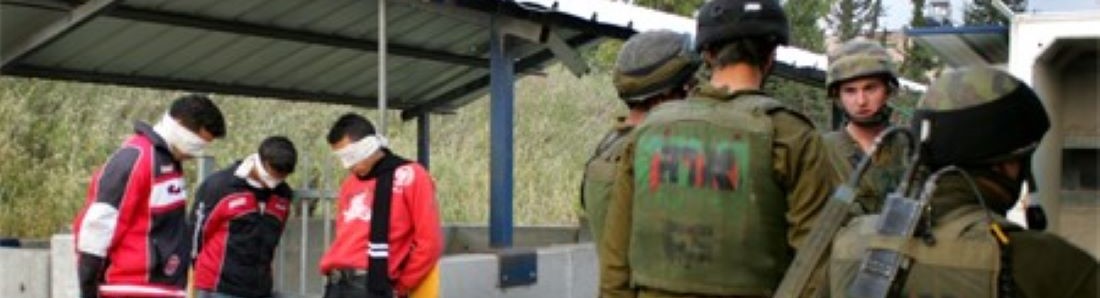
The issue is not simply whether the death penalty exists. The issue is whether irreversible punishment can be imposed through a system in which legal protections themselves remain fundamentally unequal.”
Witness Under Fire: Press Freedom and the Cost of Telling the Truth

When journalists are targeted and silenced, it is not only the individual voice that is lost—it is the evidence, the accountability, and the possibility of response.”
Me Too in the Shadow of the Epstein Files

Epstein’s case is not merely about a single predator; it is a portrait of how power and privilege can insulate someone from justice.”
Regime Change Wars: Why Military Interventions Rarely Deliver
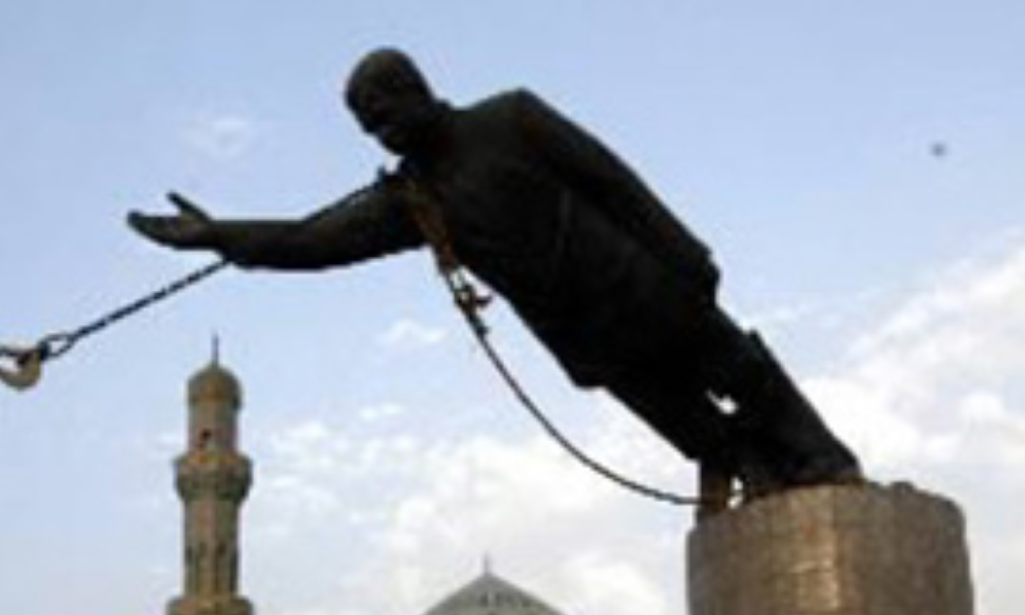
Removing a regime without understanding local realities often leaves a country in chaos, creating power vacuums that extremists and insurgents exploit.”
Escalating Climate of Hate in America: Political Polarization, Extremism, and the Cost of Rhetoric
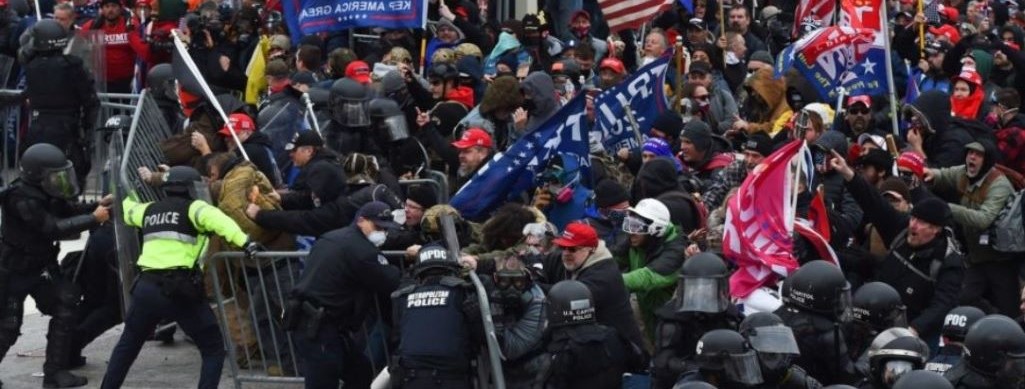
Words matter, and they come with consequences. Reckless rhetoric can erode democracy, normalize hatred, and fuel real-world violence.”
Human Trafficking: Hidden in Plain Sight
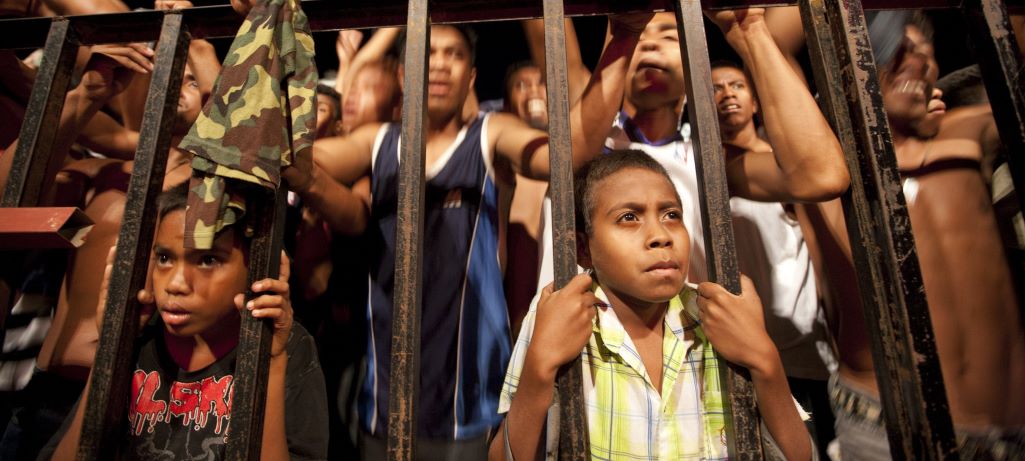
Human trafficking thrives in secrecy, yet the complicity of powerful individuals often shields perpetrators while silencing victims.”
Targeting Civilians Seeking Aid in Gaza: War, Blockade, and a Deepening Humanitarian Catastrophe

In Gaza today, survival itself has become dangerous. Civilians searching for food, water, or medicine increasingly risk becoming targets.”
The Legacy of Nelson Mandela: Lessons for Today

Mandela’s courage shows how reconciliation can break cycles of violence—a lesson for every society facing injustice.”