By Lara Kajs
Thinking Out Loud
Across the United States, efforts to ban books and limit teaching about race and racism have intensified. These measures restrict students’ access to critical ideas, hinder their understanding of history, and challenge educators’ ability to provide an honest education. From Florida to North Dakota, legislation and administrative actions are reshaping what students can learn, often under the guise of protecting them from “controversial” content. This piece explores the implications of these bans, the persistence of critical race theory, and why history must be taught in full.
Book Banning and Censorship in Education
For the past few years, legislators in the U.S. have increasingly targeted books and discussions about race in schools. When government officials remove books from shelves, libraries, and classrooms because of content, themes, or ideas, it constitutes censorship. Similarly, targeting the teaching of race, racism, discrimination, and slavery suppresses critical learning and violates students’ rights to information and ideas. Much of this is rooted in discomfort with confronting difficult truths about U.S. history and society.
The Scale of the Problem
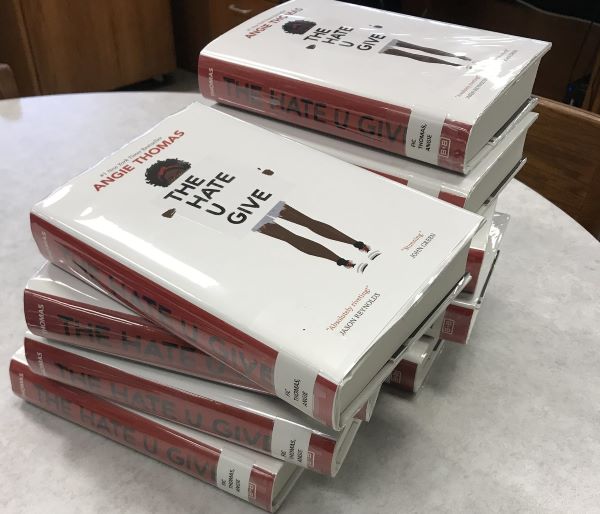
Thousands of books have been challenged. Whereas book disputes were once handled locally among parents, teachers, and administrators, national advocacy organizations now amplify these challenges, pushing specific agendas. Legislative efforts in 29 states aim to prohibit teaching about race and inequality, leading to the removal of many books. The Hate U Give by Angie Thomas has been among the most frequently challenged.
“Lacks Educational Value.”
Florida Governor Ron DeSantis rejected AP African American history, claiming it “lacks educational value.” Efforts to restrict lessons about race and U.S. history undermine students’ ability to think critically and ask challenging questions about society. Black history, slavery, and systemic racism are fundamental components of U.S. history. Banning books that mention the Little Rock Nine, Jim Crow, Medgar Evers, Emmett Till, or Brown v. Board of Education does not erase history — it only obstructs understanding.
Critical Race Theory Under Fire
Following the murder of George Floyd and nationwide protests, teachers began discussing systemic racism with students. Critical Race Theory (CRT), a framework developed over 40 years ago, asserts that racism is embedded in U.S. social institutions, not merely the result of individual bias. CRT does not label all white people as oppressors or all Black people as victims, yet it has become the target of legislation in many states.
At least 44 states have proposed anti-CRT laws, and 18 have enacted restrictions in classrooms. In North Dakota, teachers may only frame racism as individual bias, eliminating discussions about institutionalized slavery or systemic oppression. These restrictions distort history and deny students the tools to understand the social forces that shaped their country.
Teaching History Honestly
Prohibiting the teaching of race and racism is a disservice to students. Altering history to avoid discomfort does not erase it. Efforts to sanitize classrooms often reflect a misunderstanding of how Americans relate to social institutions, equating systemic critique with personal blame. Laws prohibiting “discomfort, guilt, or anguish” — as proposed in South Carolina — threaten to erase honest conversations about slavery, the Holocaust, and other atrocities.
History is inherently challenging. Students should read the books, confront the realities, and learn lessons that prevent repeating past mistakes.
Photo Credit: The Hate U Give by cathyjonelson. Licensed under CC By NC-SA 2.0
Published 6 September 2023
About Thinking Out Loud
Thinking Out Loud is a commentary series by Lara Kajs examining international law, humanitarian crises, and the prevention of mass atrocities. Drawing on field experience in conflict and displacement settings, the column explores the legal and policy challenges that shape contemporary conflicts
Lara Kajs is the founder and executive director of The Genocide Report, a Washington, DC-based educational nonprofit focused on atrocity prevention and international law. She is the author of several field-based books on conflict, displacement, humanitarian crises, and international humanitarian law, drawing on extensive research and field experience in Yemen, Syria, and Afghanistan. Her writing and public speaking focus on atrocity crimes, forced displacement, the protection of civilians, and the legal frameworks governing armed conflict.