
By Lara Kajs
Thinking Out Loud
Afghanistan is currently one of the world’s largest humanitarian emergencies. Widespread food insecurity, economic collapse, and displacement affect communities across the country. Decades of conflict, combined with political isolation and the withdrawal of foreign aid following the Taliban’s return to power in 2021, have severely weakened the country’s capacity to provide basic services.
For more than two decades, foreign aid has been a cornerstone of humanitarian and development assistance in Afghanistan. Following decades of war, political instability, and economic collapse, the country now faces a severe shortage of humanitarian resources. This is not merely a logistical or political challenge—it is a life-and-death crisis affecting millions. The absence of sufficient food, medical supplies, shelter, and international support is intensifying suffering and pushing Afghanistan deeper into destitution.
Having worked in conflict and displacement environments across the region, the scale of Afghanistan’s humanitarian collapse is both familiar and deeply alarming.
A Crisis Deepened by Political Shifts
The Taliban’s return to power in August 2021 marked a dramatic shift in Afghanistan’s relationship with the international community. Many aid organizations scaled back operations due to security concerns, sanctions, and restrictions imposed by the new regime, particularly those targeting the rights of women and girls.
Critical support systems are rapidly evaporating. Funding cuts from foreign donors—who previously sustained basic services—have compounded the crisis. Nearly half of Afghanistan’s foreign aid once came from the United States Agency for International Development (USAID), which ceased operations in January 2025. The withdrawal of this support has left a massive humanitarian gap.
Humanitarian Needs
Afghanistan remains one of the world’s most severe humanitarian crises, with more than 29 million people—over two-thirds of the population—requiring assistance. Food insecurity, lack of clean water, limited healthcare, displacement, the erosion of educational infrastructure, and widespread unemployment contribute to immense human suffering.
According to the World Food Programme, millions face acute food insecurity, particularly in rural communities and among children. Malnutrition has surged, with alarming rates of stunted growth and wasting among children under five. With fewer humanitarian deliveries and rising food prices, many families now face impossible choices between food, medicine, and shelter.
Afghanistan’s humanitarian crisis is not only a national tragedy—it is a global failure of empathy and coordination.”
Collapsing Healthcare Systems
Afghanistan’s healthcare sector—long dependent on international funding—is nearing collapse. Hospitals and clinics across the country are understaffed, under-resourced, and increasingly unable to meet even basic needs.
Vaccination programs have stalled, maternal and child mortality are rising, and outbreaks of preventable diseases—including measles and cholera—are increasing. Restrictions on women’s employment have further strained the system. In many areas, female patients cannot receive medical care without female health workers, yet many women have been barred from working in the healthcare sector. The result is a dangerous gap in access to lifesaving treatment.
Displacement and Shelter Insecurity
Conflict, natural disasters, and economic collapse have displaced millions of Afghans. Many now live in temporary shelters or informal settlements without reliable access to clean water, sanitation, or protection from extreme weather.
Winter conditions in Afghanistan can be deadly. Without adequate clothing, heating fuel, or secure housing, displaced families face severe survival risks. Children and the elderly are particularly vulnerable to exposure, illness, and malnutrition. For many communities, displacement has become not a temporary emergency but a prolonged condition of instability.
Impact on Women and Girls
Afghan women and girls have been disproportionately affected by the country’s humanitarian decline. Restrictions on female education and employment have drastically reduced women’s participation in public life and limited access to basic services.
Female-headed households are especially vulnerable. Many are excluded from traditional aid distribution channels or face mobility restrictions that make assistance difficult to access. Programs once supported by USAID—including women-led NGOs, entrepreneurship initiatives, and education programs—are rapidly disappearing, erasing years of progress in gender equity.
The Role of the International Community
While some humanitarian aid continues to reach Afghanistan, it remains far from sufficient. Political considerations, donor fatigue, and Taliban interference continue to limit both funding and delivery.
Humanitarian assistance must remain principled, needs-based, and insulated from political disputes. Governments and international organizations must prioritize safe and effective aid delivery while supporting local NGOs and community-based initiatives capable of reaching vulnerable populations.
Thinking Out Loud
While preparing this piece, I watched a report by Isobel Yeung on CNN documention the death of an infant from hunger and meningitis—an outcome directly tied to the withdrawal of humanitarian aid. Statements such as those by Marco Rubio suggesting that no one died due to the closure of USAID operations fail to reflect the reality on the ground.
Similarly, comments by Tim Burchett that Afghans must “work it out on their own” raise serious questions. After two decades of international military presence followed by rapid withdrawal, how can a nation already devastated by conflict rebuild without sustained international engagement?
The collapse of humanitarian programs demonstrates a profound global failure. Afghanistan’s population should not be punished for the actions of its rulers. Humanitarian need transcends borders.
Afghanistan’s crisis is not only a national tragedy—it is a global failure of empathy and coordination. Its people deserve more than survival. They deserve dignity, opportunity, and meaningful international solidarity.
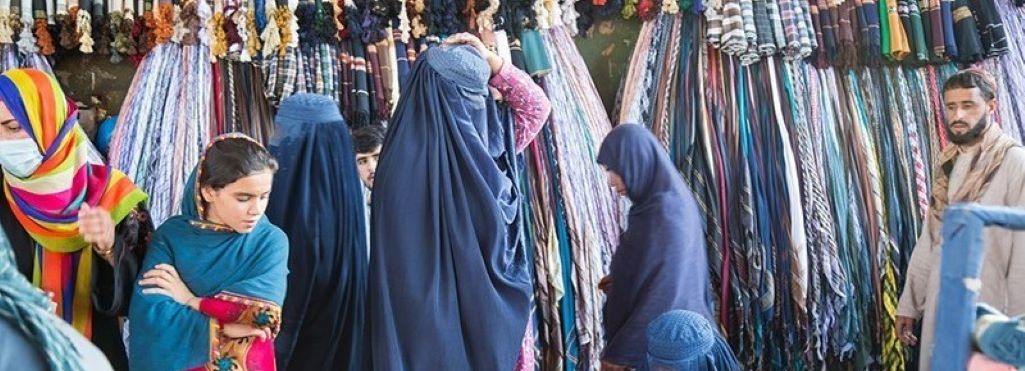
Photo Credit: Daily life in Afghanistan by Prachatal. Licensed under CC BY NC ND 2.0 – Taken in Kabul, 19 September 2021.
Published 25 July 2025
Author’s Note: If you found this article important, please consider sharing it or supporting organizations providing aid to Afghanistan’s civilians. Their survival depends on international action.
Why It Matters
Humanitarian crises of this magnitude extend beyond national borders. Afghanistan’s collapse threatens regional stability, increases displacement pressures, and undermines global commitments to protect civilians during conflict and political transition. Addressing the crisis requires sustained humanitarian engagement that prioritizes civilian survival over political considerations.
Policy Lens
Effective humanitarian response in Afghanistan requires depoliticized aid delivery, renewed international funding commitments, and strengthened support for local humanitarian organizations capable of reaching vulnerable populations. International actors must balance political concerns about the Taliban with the urgent need to prevent mass suffering among Afghan civilians.
About Thinking Out Loud
Thinking Out Loud is a commentary series by Lara Kajs examining international law, humanitarian crises, and the prevention of mass atrocities. Drawing on field experience in conflict and displacement settings, the column explores the legal and policy challenges that shape contemporary conflicts.
Lara Kajs is the founder and executive director of The Genocide Report, a Washington, DC-based educational nonprofit focused on atrocity prevention and international law. She is the author of several field-based books on conflict, displacement, humanitarian crises, and international humanitarian law, drawing on extensive research and field experience in Yemen, Syria, and Afghanistan. Her writing and public speaking focus on atrocity crimes, forced displacement, the protection of civilians, and the legal frameworks governing armed conflict.